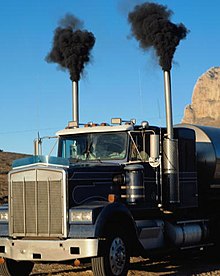
 Soot (/ sʊt / suut) is a mass of impure carbon particles resulting from the incomplete combustion of hydrocarbons. [1] Soot is considered a hazardous substance with carcinogenic properties. [2]
 Soot is a byproduct of the incomplete burning of organic (carbon-containing) materials, such as wood, fuel oil, plastics, and household refuse. The fine black or brown powder that makes up soot may contain a number of carcinogens, including arsenic, cadmium, and chromium.
 Fine, black particles known as soot accumulate where a fire has blazed. Any combustion source can yield soot. When organic, carbon-filled materials burn, some of it burns incompletely. The result of the incomplete burning of such materials, like wood, plastic, coal, and oils, is soot.
 In this article, we’ll answer some of the most commonly asked questions about soot so that you’ll know what to expect and look for in reducing soot exposure dangers.